

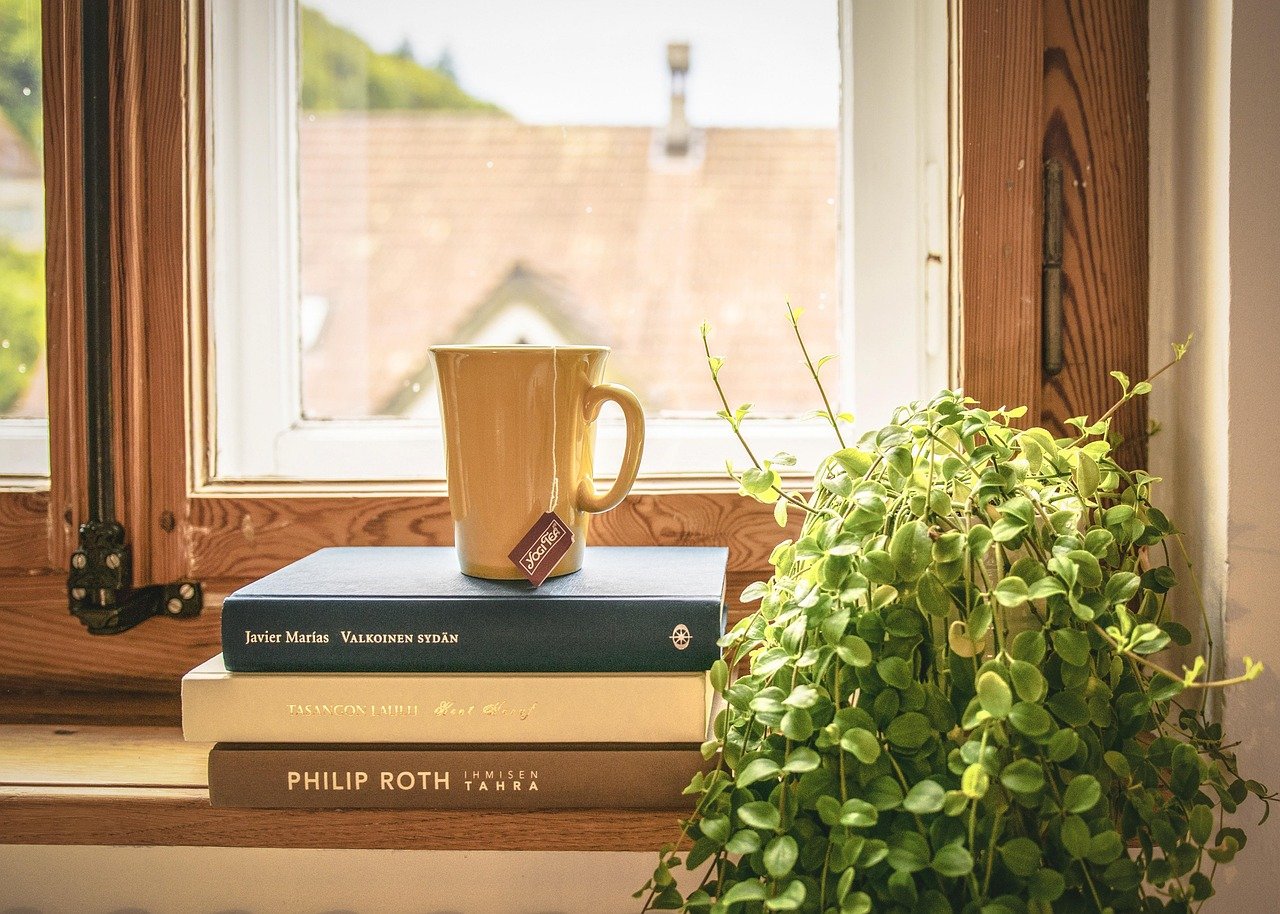
A good reading nook does not require a spare room, expensive furniture, or a dramatic interior makeover. Sometimes, all it takes is a comfortable chair, a warm light, a small table, and a quiet corner where you can put your phone aside and enjoy a few uninterrupted pages.
The beauty of a reading nook is that it can fit almost anywhere. An unused bedroom corner, a space beside a window, an awkward alcove, or even a wide hallway can become a welcoming place to read. The trick is to make the area comfortable, practical, and personal without overcrowding it.
Whether you live in a compact apartment or a spacious family home, here is how to create a cozy reading nook that feels like a natural part of your interior.
1. Choose the Right Spot for Your Reading Nook
The location makes a bigger difference than the amount of space available. Look for an area that feels relatively peaceful and receives enough natural light during the day.
A corner near a window is often an excellent choice. Natural daylight makes daytime reading more enjoyable, while a view of the garden, street, or surrounding trees can make the space feel relaxing.
Other useful locations include:
- An unused corner in the living room.
- A quiet area in the bedroom.
- A space beneath a staircase.
- An empty alcove or hallway recess.
- A landing with enough room for seating.
Before choosing a location, consider noise, foot traffic, electrical outlets, and available floor space. A beautiful corner will not be particularly inviting if people constantly walk through it.
2. Invest in Comfortable Seating
Seating is the heart of any reading nook. You want something that supports your body comfortably, especially if you enjoy reading for long periods.
An upholstered armchair is a reliable option for most homes. Look for supportive back cushioning, comfortable armrests, and a seat depth that allows you to sit naturally without straining your back.
Other possibilities include:
Armchairs and Accent Chairs
A compact accent chair works particularly well in living rooms and bedrooms. Choose a fabric that feels pleasant against your skin and complements the surrounding furniture.
Window Seats
A built-in window seat can turn an otherwise unused area into a charming reading destination. Add a properly fitted cushion, a few pillows, and storage drawers underneath if the design allows.
Floor Cushions and Bean Bags
For smaller homes or casual interiors, oversized floor cushions and bean bags offer flexible seating. They are especially useful when you want a reading area without committing to bulky furniture.
One practical tip: test the seating before buying it. A chair can look beautiful in a showroom but become uncomfortable after twenty minutes.
3. Get the Lighting Right
Lighting can make or break a reading nook. Insufficient light causes unnecessary eye strain and makes reading less comfortable, particularly in the evening.
Start by making the most of natural daylight. Position your chair near a window, but avoid placing it where direct sunlight creates glare on the pages.
For nighttime reading, add a dedicated reading lamp.
Good options include:
- Adjustable floor lamps: Useful beside armchairs and larger seating areas.
- Table lamps: Ideal when you have a small side table.
- Wall-mounted sconces: Excellent for narrow spaces where floor space is limited.
- Clip-on reading lights: Practical for flexible arrangements and smaller budgets.
Choose a lamp that directs light onto your book without shining directly into your eyes. A warm-white bulb can create a relaxed atmosphere, while sufficient brightness should remain the priority for comfortable reading.
4. Add Practical Book Storage
A reading nook should keep your favorite books within easy reach. However, storage does not need to dominate the space.
A narrow bookshelf beside the chair is an effective solution. If floor space is limited, consider floating shelves above or beside the seating area.
You can also use:
- Small bookcases with open shelves.
- Storage baskets for magazines and current reads.
- Built-in shelves around a window.
- Ottoman storage for books and blankets.
- A compact side table with a lower shelf.
Avoid filling every available shelf. Leaving some empty space makes the arrangement look less cluttered and gives you room for future additions.
For heavier books, use properly installed shelves and suitable wall fixings. Check the wall type and manufacturer’s weight limits before installation.
5. Create a Cozy Atmosphere With Textures and Colors
Comfort is not just about furniture. The materials, colors, and small decorative details help determine whether a reading nook feels inviting.
Start with a soft throw blanket, one or two supportive cushions, and a small rug if the flooring feels cold. These simple additions make the area feel more defined and comfortable.
For color, consider:
- Warm beige and cream for a light, peaceful look.
- Soft green for a natural, relaxed atmosphere.
- Terracotta and muted brown for warmth.
- Dusty blue for a calm, understated appearance.
- Deep burgundy or forest green for a more intimate corner.
Natural materials such as wood, cotton, wool, and linen can add visual warmth without making the space feel overly decorated.
A common mistake is adding too many cushions, accessories, and decorative objects. Keep the essentials and let the seating remain the main attraction.
6. Make a Small Reading Nook Work
You do not need a large home to create a comfortable reading corner. In smaller properties, smart furniture choices and vertical storage make all the difference.
Consider these space-saving ideas:
Use an empty corner: A compact chair, slim lamp, and floating shelf may be all you need.
Choose multifunctional furniture: An ottoman with hidden storage can hold books and blankets while providing extra seating.
Install wall shelves: These free up valuable floor space and keep reading materials organized.
Use a foldable side table: It can be moved when needed and tucked away when not in use.
Try an under-stair nook: With suitable lighting and ventilation, this overlooked space can become a distinctive reading spot.
Keep enough clearance around the chair to sit down and stand up comfortably. A cramped arrangement defeats the purpose of creating a relaxing corner.
7. Personalize the Space With Thoughtful Details
The best reading nooks reflect the people who use them. You do not need expensive decorations to make the space feel personal.
A framed print, a favorite photograph, a small indoor plant, or a handmade ceramic vase can add character. A scented candle may also contribute to the atmosphere, provided it is placed safely away from books, curtains, and other combustible materials. Never leave an open flame unattended.
Think about the small conveniences you actually use. A coaster for tea or coffee, a bookmark holder, a charging point, or a basket for reading glasses can make the area more functional.
Try to keep electronic distractions to a minimum. A reading nook should feel like a place where you can slow down rather than another spot to check notifications.
8. Common Reading Nook Mistakes to Avoid
Even a well-designed reading corner can become uncomfortable if a few practical details are overlooked.
Watch out for these common mistakes:
- Choosing style over comfort: Attractive furniture is not useful if you cannot sit in it comfortably.
- Ignoring lighting: A beautiful nook becomes less practical when it is too dark at night.
- Overcrowding the area: Too much furniture makes a small corner feel restrictive.
- Forgetting side-table space: You need somewhere to put a book, drink, or reading glasses.
- Blocking natural light: Large furniture can make an otherwise bright corner feel gloomy.
- Neglecting electrical safety: Keep lamps and cables properly positioned, away from walkways and potential trip hazards.
A successful reading nook should be easy to use every day, not just attractive in photographs.
Key Takeaways: What Makes a Great Reading Nook?
Creating a cozy reading nook comes down to a few thoughtful decisions:
- Choose a quiet location with good natural light.
- Invest in comfortable, supportive seating.
- Add suitable task lighting for evening reading.
- Keep books organized with shelves or compact storage.
- Use soft textures and calming colors to create warmth.
- Make the most of unused corners and vertical space.
- Add personal details without creating unnecessary clutter.
Final Thoughts
A reading nook does not have to be elaborate to feel special. The most successful designs are often the simplest: a comfortable chair, a good lamp, a handful of favorite books, and enough space to settle in without distractions.
Start with the corner you already have. Improve the lighting, choose seating that genuinely feels comfortable, and add a few details that make the space yours. You can always introduce more storage or decoration later.
The real measure of a perfect reading nook is not how impressive it looks. It is how often you find yourself returning to it, opening a book, and staying a little longer than you planned.
[…] are some practical ideas, design tips, and simple DIY approaches to help you build a window seat reading nook that suits your space and […]
[…] fruit bowl, or centerpiece is usually enough. Too many decorative objects can make a compact dining nook feel […]