

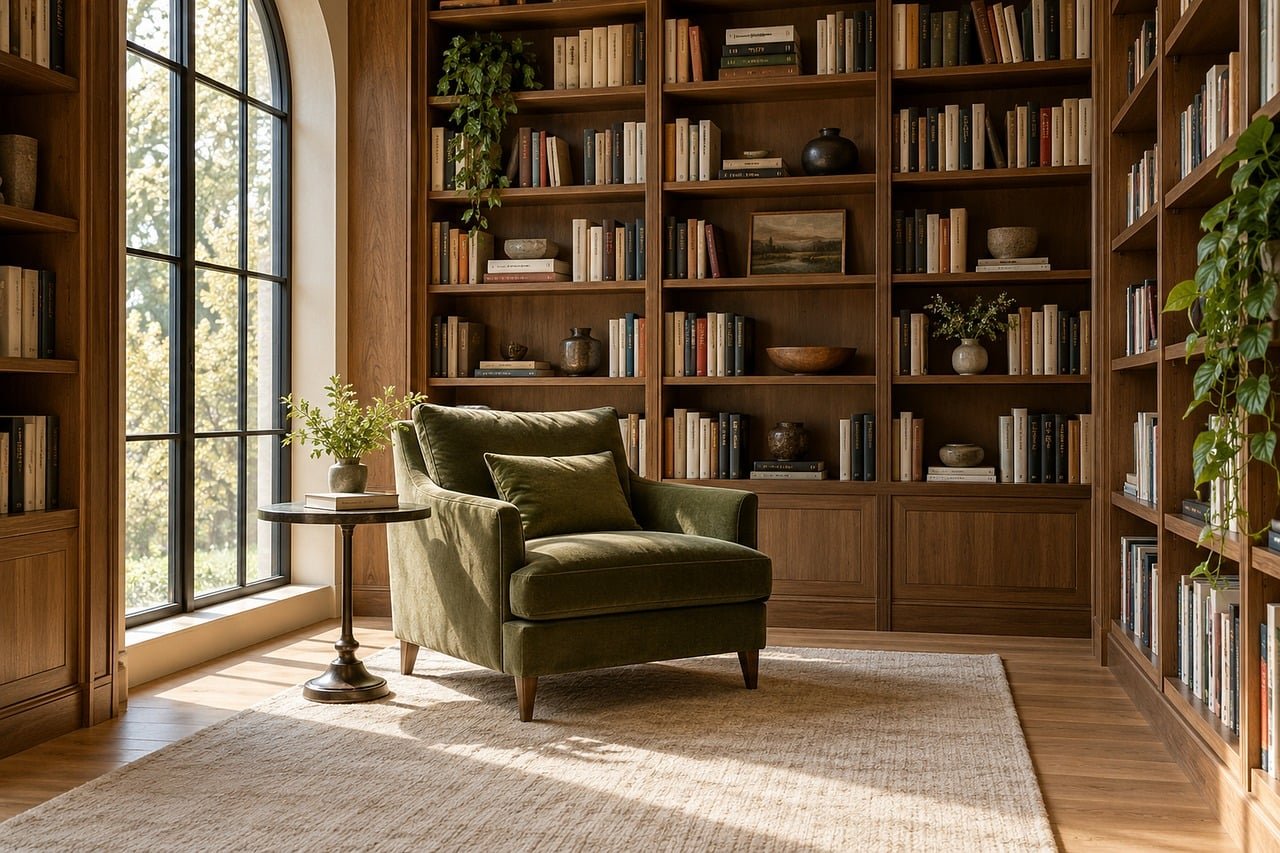
A quiet spot by the window can become one of the most inviting places in your home. You do not need a large room, expensive built-in furniture, or a dedicated home library to make it happen. With a little planning, an ordinary window area can become a comfortable reading nook with soft cushions, practical storage, and just enough privacy to enjoy a good book. A DIY window seat is particularly useful in smaller homes because it makes use of space that might otherwise go unnoticed.
Whether you have a bedroom window, a living room alcove, or a narrow corner overlooking the garden, there are plenty of ways to create a functional seating area without making the room feel crowded.
Here are some practical ideas, design tips, and simple DIY approaches to help you build a window seat reading nook that suits your space and budget.
1. Start by Choosing the Right Window
Before buying materials or making cushions, look carefully at the window area. The best location is somewhere that receives comfortable natural light and offers enough room to sit without blocking normal movement around the room.
Bay windows are especially suitable because their shape often provides extra depth. However, a standard rectangular window can work just as well if you have enough space beneath it.
Measure the available width, height, and depth. Consider how much clearance you need for curtains, window handles, radiators, and nearby furniture.
A few useful locations include:
- A bedroom window overlooking the garden.
- An unused living room corner.
- A bay window with an existing ledge.
- A wide hallway window.
- A window beside a staircase landing.
Do not assume that every window needs a permanent built-in seat. Sometimes, a simple storage bench positioned beneath the window achieves the same result with considerably less work.
2. Build a Simple DIY Window Seat
A basic window seat does not have to involve complicated carpentry. One of the easiest approaches is to use a sturdy storage bench or construct a simple wooden box frame that fits beneath the window.
Use a Storage Bench as Your Base
A ready-made storage bench is a convenient starting point for beginners. Choose a model with a strong frame, a suitable seat height, and enough depth for comfortable sitting.
You can improve its appearance with wood paint, decorative handles, or a custom-cut cushion.
Build a Custom Wooden Seat
If you prefer a fitted design, a simple timber frame with a plywood top can work well. Secure the frame appropriately and make sure the structure is designed to support the intended weight.
For a more polished finish, add a front panel, paint the wood to match your interior, and incorporate drawers or cabinet doors underneath.
Practical tip: Check the wall and floor conditions before fixing anything permanently. Use suitable fasteners for the wall construction, and seek professional help if the design involves structural changes or uncertainty about load-bearing support.
3. Add Comfortable Cushions and Soft Furnishings
The cushion is what turns a basic bench into a welcoming reading seat. A wooden surface may look attractive, but it will not be particularly comfortable for a long reading session.
Choose a high-density foam cushion that provides support without feeling excessively firm. Measure the finished seat carefully before ordering foam or fabric. Even a small measurement error can leave noticeable gaps along the edges.
For a cozy finish, consider:
- A full-length upholstered seat cushion.
- Two or three supportive back cushions.
- A soft knitted throw blanket.
- Removable cushion covers for easier cleaning.
- A small lumbar cushion for additional support.
Neutral shades such as cream, beige, and soft grey work beautifully in compact rooms. If you prefer something more expressive, try muted green, terracotta, or deep blue.
One detail worth considering is washable fabric. Window seats tend to collect dust and sunlight, so removable covers make everyday maintenance much easier.
4. Make the Most of Under-Window Storage
Storage is one of the biggest advantages of a DIY window seat, particularly when floor space is limited.
Instead of adding another bookshelf or cabinet, use the area underneath the seating surface.
Install Built-In Drawers
Drawers are useful for storing books, magazines, blankets, and reading accessories. Choose full-extension drawer runners where appropriate so you can reach items at the back without struggling.
Add Lift-Up Storage
A hinged seat provides access to a larger storage compartment. This arrangement works particularly well for spare cushions, seasonal blankets, and less frequently used items.
Use Open Shelving
If you want your favorite books to remain visible, add open shelves beneath one side of the seat. This creates an attractive display without requiring additional furniture.
Avoid making storage compartments too deep or difficult to access. A clever design should make everyday organization easier, not turn simple tasks into a struggle.
5. Choose Curtains That Make the Space Feel Private
Window treatments help control daylight, add softness, and make a reading corner feel more enclosed.
Light-filtering curtains are a good choice if you want natural light without harsh glare. Roman blinds also work well in small rooms because they sit close to the window and do not occupy much space.
For a layered appearance, combine a simple blind with lightweight curtains. Choose a curtain length that does not interfere with the seat or become trapped beneath cushions.
If the window receives strong afternoon sunlight, consider suitable UV-filtering window treatments to help reduce fading of upholstery and books.
6. Install Practical Reading Lighting
Natural light is lovely during the day, but you will need another source when the sun goes down.
A wall-mounted reading lamp is often the smartest choice for a small window seat. It provides focused illumination without taking up valuable surface space.
Other options include:
- An adjustable swing-arm wall light.
- A compact table lamp on a nearby shelf.
- A rechargeable clip-on reading light.
- A slim floor lamp beside the bench.
Position the light so it illuminates your book without shining directly into your eyes. If you are installing a hardwired fixture, have a qualified electrician handle the electrical work.
7. Decorate Without Overcrowding the Space
Small reading corners benefit from restraint. A few thoughtful details usually look better than filling every available surface.
Add a small side table for your tea or coffee, a basket for current reading material, and perhaps one small indoor plant if the window provides suitable conditions.
A narrow floating shelf above or beside the seat can hold a few favorite books and decorative objects.
You can also introduce personality through:
- Framed artwork.
- Textured cushion covers.
- A small reading basket.
- Warm-toned wood finishes.
- A simple rug beneath the seating area.
Keep the window itself accessible. Avoid placing large decorative objects where they block daylight or make opening the window difficult.
8. Small Window Seat Ideas on a Budget
You can create an attractive reading nook without commissioning custom furniture.
Here are a few affordable approaches:
| DIY idea | Why it works |
|---|---|
| Repurposed storage bench | Provides seating and hidden storage |
| Painted wooden platform | Creates a fitted, coordinated appearance |
| Floor cushions beneath a low window | Requires minimal construction |
| Secondhand bench with new upholstery | Gives old furniture a fresh look |
| Floating shelves beside the window | Adds book storage without using floor space |
Before spending money on decorative accessories, prioritize the seat structure, cushion quality, and lighting. These three elements have the greatest effect on everyday comfort.
9. Common Mistakes to Avoid
A few small planning mistakes can make a window seat less practical than expected.
- Ignoring drafts: Check window seals before installing upholstery.
- Blocking radiators: Maintain appropriate clearance around heating equipment and follow its manufacturer’s guidance.
- Choosing cushions that are too thick: Excessive padding can reduce usable seating depth.
- Forgetting window access: Make sure handles and opening mechanisms remain accessible.
- Using weak materials: A decorative box is not automatically strong enough to support sitting weight.
- Overlooking moisture: Address condensation, leaks, or dampness before adding woodwork and fabric.
If you are building around an existing window, inspect the surrounding area first. It is much easier to resolve maintenance issues before the seat is installed.
Key Takeaways
A successful DIY window seat reading nook combines comfort, useful storage, and thoughtful design. Start with a suitable window, choose a sturdy seating base, add supportive cushions, and use the space underneath for books and household essentials.
Good lighting and practical curtains will make the area enjoyable throughout the day, while a few personal accessories can give it character without making it feel cluttered.
Final Thoughts
A window seat can be a surprisingly valuable addition to a small home. It gives an unused corner a purpose, creates extra storage, and provides a comfortable place to step away from everyday distractions.
You do not have to complete the entire project in one weekend. Start with a sturdy bench, add a well-fitted cushion, and improve the lighting when your budget allows. With a few thoughtful choices, even a modest window can become your favorite place to sit, read, and enjoy a little quiet time.
[…] do not necessarily need an entire spare bedroom. The best location depends on the activity, available space, and how much privacy you […]