

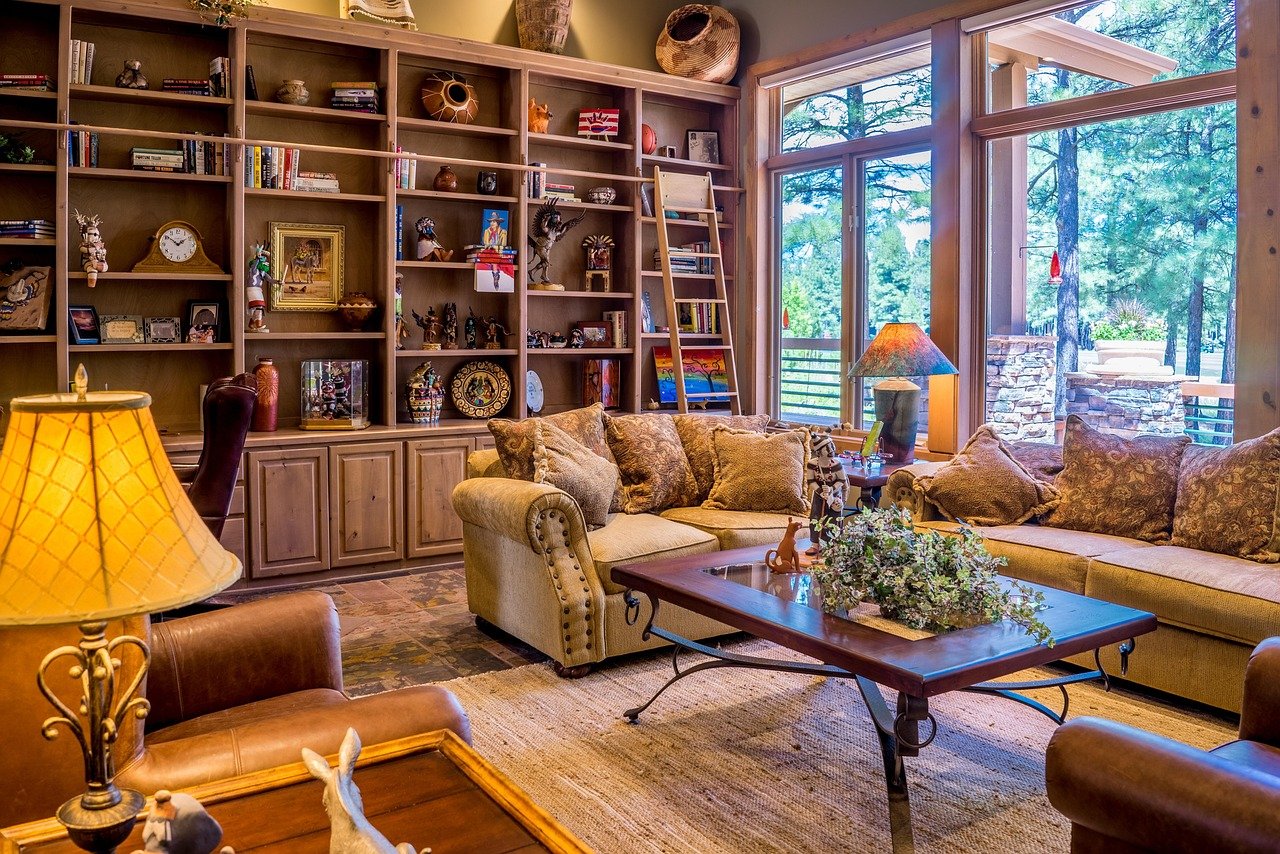
Living in a small home does not mean giving up comfort, style, or functionality. The real challenge is making every part of your space work harder without making rooms feel crowded. A compact apartment, small bedroom, or modest family home can feel surprisingly spacious when the layout, furniture, and storage are planned properly.
The secret is not simply adding more storage or choosing smaller furniture. It is about using space intelligently, keeping unnecessary clutter under control, and giving each area a clear purpose.
From multifunctional furniture and vertical storage to clever room layouts and flexible dining areas, these practical small space living ideas can help you make the most of every square foot without sacrificing the character of your home.
1. Choose Multifunctional Furniture
When floor space is limited, furniture that serves more than one purpose can make a noticeable difference.
Instead of filling a room with separate pieces, look for items that combine everyday functions.
Some useful options include:
- Storage beds: Provide space underneath for extra bedding, clothing, and seasonal items.
- Sofa beds: Turn a living room into an occasional guest bedroom.
- Extendable dining tables: Offer additional seating when needed without permanently occupying extra space.
- Storage ottomans: Provide a place to sit, rest your feet, and store smaller belongings.
- Fold-down desks: Create a practical workspace that can be folded away after use.
Consider how frequently you will use each function before purchasing anything. A sofa bed may sound useful, but if it is uncomfortable as a sofa, it may not be worth the space it saves.
2. Make Better Use of Vertical Space
One of the most overlooked small-home design opportunities is the wall space above eye level.
Many homeowners focus entirely on floor storage while leaving walls almost empty. Adding shelves, cabinets, and wall-mounted organizers can free up valuable floor space.
Install Floating Shelves
Floating shelves work well in bedrooms, kitchens, bathrooms, and living rooms. Use them for books, decorative accessories, plants, or everyday essentials.
Keep frequently used items at an accessible height and reserve higher shelves for things you rarely need.
Use Tall Storage Cabinets
A tall, narrow cabinet can offer considerable storage without occupying as much floor space as a wide dresser.
In kitchens, vertical cabinets can store pantry supplies and small appliances. In bedrooms, they provide useful space for clothing and accessories.
Try Wall-Mounted Furniture
Wall-mounted desks, bedside tables, and television units can make rooms feel less crowded because more floor area remains visible.
Always use suitable wall fixings for the wall construction and the weight being supported.
3. Create Multi-Purpose Living Areas
In a small home, one room may need to serve several purposes. A living room might also function as a home office, reading corner, or occasional guest space.
The key is to create separate functional zones without building unnecessary walls.
For example, you can define a workspace with a compact desk and floor lamp, while a small rug helps distinguish the seating area.
Other practical combinations include:
- A bedroom with a fold-down study desk.
- A living room with a compact reading nook.
- A dining corner that doubles as a home workspace.
- An entryway with a storage bench and shoe organizer.
Furniture placement can help establish these zones. Positioning a sofa with its back toward a dining area, for instance, can create a natural visual separation in an open-plan room.
4. Use Smart Storage to Reduce Clutter
Good storage is about making everyday belongings easy to organize and access. Simply hiding everything inside cupboards is not always the best solution.
Start by sorting your belongings into three categories: items you use regularly, things you need occasionally, and possessions you no longer need.
Then choose storage according to the items involved.
Useful ideas include:
- Under-bed storage boxes for seasonal clothing.
- Drawer dividers for smaller accessories.
- Over-door organizers for shoes and household supplies.
- Baskets for toys, blankets, and everyday essentials.
- Built-in cabinets beneath staircases.
- Storage benches in dining areas and hallways.
A common mistake is buying storage containers before measuring the available cupboard or shelf space. Measure first, then choose containers that fit properly.
5. Make Small Rooms Feel Bigger With Color and Light
The right color scheme and lighting arrangement can change how a compact room feels.
Light-colored walls, such as warm white, pale beige, and soft grey, can help reflect available daylight. This can make a room feel brighter, particularly when natural light is limited.
However, small homes do not need to be entirely white. A darker accent wall, colorful cushions, or warm wooden furniture can add depth and personality.
Use Mirrors Strategically
A well-positioned mirror can reflect daylight and create a greater sense of visual openness. Placing one opposite or near a window is often effective.
Avoid placing mirrors where they reflect cluttered areas or create uncomfortable glare.
Layer Your Lighting
Rather than relying on one bright ceiling fixture, combine different lighting sources.
Consider:
- Ceiling lights for general illumination.
- Table lamps for reading and relaxing.
- Wall lights to save surface space.
- Under-cabinet lighting in kitchens.
- Floor lamps for darker corners.
A balanced lighting arrangement makes a room more practical and helps distinguish different areas without physical partitions.
6. Make the Most of Small Kitchens
Kitchens can become crowded quickly because they need to accommodate appliances, cookware, food supplies, and preparation areas.
Start by clearing the countertops of items that are not used regularly. Keep everyday appliances accessible and move occasional-use equipment into cupboards.
A few useful improvements include:
- Installing magnetic knife strips where appropriate.
- Using vertical dividers for baking trays and chopping boards.
- Adding pull-out pantry shelves.
- Using hooks for frequently used utensils.
- Choosing a compact dining table or breakfast bar.
If you have an unused kitchen corner, a small banquette bench can provide seating while incorporating storage underneath.
The goal is to keep food preparation surfaces as clear as possible.
7. Choose Furniture That Fits the Room
Oversized furniture is one of the quickest ways to make a small home feel cramped.
Before buying a sofa, dining table, or wardrobe, measure the room and consider how much space people need to move around it.
A slim-profile sofa may be more practical than a deep sectional. Similarly, a round dining table can sometimes make movement easier in a tight dining area because it has no sharp corners.
Look for furniture with visible legs, compact proportions, and simple silhouettes. These features can help preserve an open visual appearance.
Do not automatically assume that every piece needs to be small, though. One appropriately sized sofa can look better than several tiny chairs and tables scattered throughout a room.
8. Use Doors, Corners, and Awkward Spaces
Unusual spaces often provide some of the best opportunities for creative storage.
The area behind a door can accommodate hooks or a slim organizer. Empty corners can hold narrow bookshelves, corner desks, or compact display units.
Other overlooked areas include:
- The space beneath staircases.
- Narrow gaps beside refrigerators.
- Empty wall sections above toilets.
- The area beneath window seats.
- Unused hallway recesses.
For particularly narrow spaces, custom shelving can provide a better fit than standard furniture.
Just make sure storage does not block doorways, windows, ventilation openings, or essential access points.
9. Keep the Design Simple and Personal
A small home does not have to look minimal or empty. It should reflect your personality while remaining easy to maintain.
Choose a few decorative pieces that mean something to you rather than filling every surface with accessories.
A favorite artwork, a textured rug, a houseplant, or a collection of books can add character without overwhelming the room.
Try to maintain some empty surface space on tables, shelves, and countertops. These clear areas make everyday activities easier and help the home feel more relaxed.
Key Takeaways: How to Maximize Every Square Foot
A well-planned small home relies on practical decisions rather than expensive renovations.
Remember these essentials:
- Choose furniture that serves multiple purposes.
- Use vertical storage to free up floor space.
- Divide open areas into functional zones.
- Organize belongings according to how often you use them.
- Improve natural and artificial lighting.
- Select furniture that suits the room’s proportions.
- Make use of corners, doorways, and overlooked spaces.
- Avoid unnecessary decorations and furniture.
Final Thoughts
Making a small home feel comfortable is less about how much space you have and more about how thoughtfully you use it.
Start with one room that feels particularly crowded. Remove items you no longer need, rethink the furniture arrangement, and identify storage opportunities that are currently going unused. You do not have to change everything at once. A wall-mounted shelf, a multifunctional bench, or a better-organized wardrobe can make a meaningful difference.
With practical furniture choices and a little creativity, even a modest home can feel organized, welcoming, and spacious enough for everyday living.