

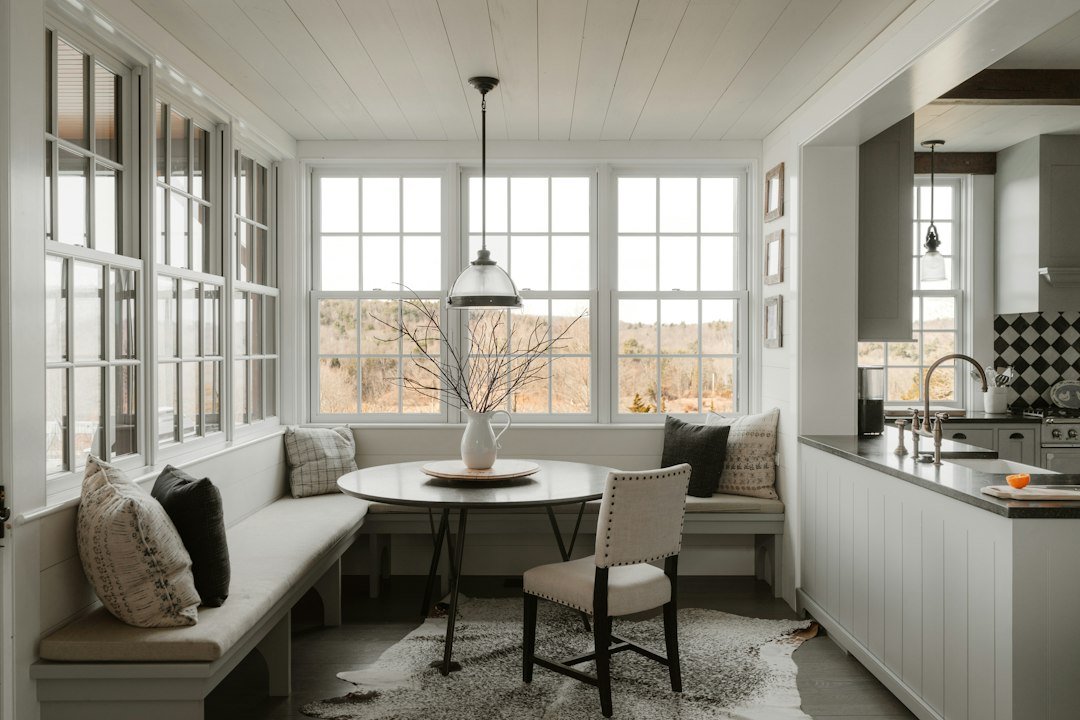
Making a small dining area feel comfortable and spacious can be a challenge, especially when a traditional dining table and four chairs take up most of the available floor space. Banquette seating offers a clever alternative. By replacing individual chairs with a built-in or freestanding bench, you can create a cozy dining spot that feels thoughtfully designed without sacrificing valuable room.
Banquette seating is particularly useful in apartments, compact kitchens, breakfast corners, and open-plan living areas. It can fit neatly against a wall, make use of an awkward corner, and even provide hidden storage for everyday household items.
The best part is that you do not always need custom cabinetry or an expensive renovation. With the right layout, furniture, and finishing touches, a simple dining nook can become one of the most inviting areas in your home.
1. Create a Built-In Banquette Along a Wall
A built-in bench is one of the most effective ways to introduce banquette seating into a small home. Instead of leaving space around several dining chairs, the bench sits directly against a wall, allowing the dining area to feel more organized.
You can build a simple wooden bench with a cushioned top or have custom cabinetry installed to match your kitchen.
For a clean appearance, consider:
- A bench fitted between two walls.
- A straight wooden seat with upholstered cushions.
- A built-in backrest for additional support.
- Matching cabinetry beneath the seating.
- A narrow dining table positioned directly in front.
Before building, measure the available space carefully. Consider the table height, seating depth, and legroom. A bench that looks attractive but leaves diners struggling to sit comfortably will quickly become frustrating.
2. Make the Most of Corner Dining Nooks
An unused kitchen corner is often an ideal location for banquette seating. An L-shaped bench can follow two adjoining walls, creating a comfortable dining area while making use of space that might otherwise remain empty.
This arrangement works particularly well in smaller kitchens because it reduces the need for chairs on multiple sides of the table.
An L-shaped design can accommodate several people, depending on the available dimensions. Add a compact rectangular or round table and leave enough clearance for people to enter and exit comfortably.
If the corner feels dark, consider adding a wall light, a small pendant above the table, or a decorative mirror to make the area feel brighter.
One practical detail worth remembering is access to the corner seats. Avoid pushing the table too close to the bench, as getting in and out should feel natural rather than awkward.
3. Choose Banquette Seating With Hidden Storage
Storage is one of the biggest advantages of banquette seating in a compact home. The space underneath the bench can hold items that would otherwise require additional cupboards or shelves.
There are several ways to incorporate storage.
Lift-Up Bench Seats
A hinged seat provides access to a large storage compartment underneath. It is useful for keeping table linens, spare cushions, placemats, and occasionally used kitchen accessories.
Built-In Drawers
Drawers are easier to access without removing the seat cushions. They work particularly well for smaller items, such as napkins, tablecloths, and dining accessories.
Open Storage Compartments
If you prefer a more relaxed appearance, leave sections beneath the bench open and use attractive baskets to organize household essentials.
Choose a storage design based on what you intend to keep inside. Deep compartments may look generous, but drawers and accessible openings are often more convenient for everyday use.
4. Select the Right Table for Your Banquette
The dining table should complement the shape of your bench rather than compete with it.
A rectangular table works naturally with straight banquette seating, while round tables are often a good match for corner arrangements. Their curved edges can make movement around a compact dining nook easier.
Consider these options:
- Round tables: Suitable for smaller breakfast corners and L-shaped seating.
- Rectangular tables: Ideal for straight benches along a wall.
- Extendable tables: Useful when you occasionally need additional dining space.
- Pedestal tables: Can provide better legroom because they avoid corner legs.
Pay attention to table-leg placement. A pedestal base can make entering and leaving the bench easier, particularly when several people share the seating area.
5. Make the Seating Comfortable With Cushions and Upholstery
A well-designed banquette should feel just as comfortable as a regular dining chair.
Start with a supportive seat cushion that fits the full length of the bench. Foam that is too soft may lose its shape quickly, while an overly firm cushion can make longer meals uncomfortable.
For the backrest, add upholstered padding or a few supportive cushions.
Fabric selection also matters. Dining areas experience spills, crumbs, and regular use, so choose durable upholstery that is easy to clean.
Some practical choices include:
- Performance fabrics designed for everyday use.
- Removable cushion covers.
- Textured woven materials.
- Faux leather that can be wiped clean.
- Neutral upholstery with washable accent cushions.
For a timeless look, cream, beige, olive green, and warm grey are dependable choices. If you want more personality, introduce color through cushions or a patterned seat cover.
6. Use Lighting to Make the Dining Nook Feel Inviting
Lighting helps distinguish a dining nook from the rest of the kitchen, particularly in open-plan homes.
A pendant light above the table creates a natural focal point. Choose a fixture that provides sufficient illumination without obstructing views across the table.
Wall sconces are another useful option, especially when the bench sits against a wall and there is little room for additional furniture.
During the day, make the most of natural light. If your banquette sits beneath a window, keep window treatments simple so they do not interfere with the seating or become trapped behind cushions.
Warm, comfortable lighting can make even a modest breakfast corner feel like a carefully planned part of the home.
7. Try Freestanding Banquette Seating for Flexible Spaces
Not every home needs permanent built-in furniture. Freestanding banquette benches are an excellent option if you rent your property or prefer to change your layout occasionally.
A storage bench, upholstered dining bench, or compact corner unit can provide a similar effect without requiring extensive carpentry.
You can also combine a bench on one side of the table with two individual chairs on the opposite side. This arrangement provides flexibility while maintaining the cozy appearance of banquette seating.
Choose furniture with dimensions that suit the room. A bulky bench can make a narrow dining area feel smaller, even if it technically fits.
8. Add Personal Details Without Creating Clutter
The finishing touches help turn a functional dining area into a welcoming space.
A small gallery wall, framed artwork, decorative cushions, or a simple centerpiece can add character. If the bench sits beneath a window, a few indoor plants can introduce natural color, provided the light conditions are suitable.
For a more coordinated appearance, match the bench finish with nearby kitchen cabinetry or dining furniture.
Try to keep the tabletop relatively clear. A small vase, fruit bowl, or centerpiece is usually enough. Too many decorative objects can make a compact dining nook feel crowded.
9. Common Banquette Seating Mistakes to Avoid
A little planning can prevent problems that are difficult to fix after installation.
Watch out for these common mistakes:
- Insufficient seating depth: The bench should support comfortable sitting without forcing people to lean forward.
- Poor table positioning: Leave enough room for knees and easy access to the seats.
- Inaccessible storage: Make sure drawers and hinged compartments can open fully.
- Difficult-to-clean upholstery: Choose materials suited to everyday dining.
- Blocking walkways: Maintain clear circulation around the table.
- Ignoring back support: A decorative bench without comfortable back support may not work well for longer meals.
If you are installing permanent cabinetry, check wall conditions, floor levels, and access to existing electrical outlets or plumbing before starting construction.
Key Takeaways
Banquette seating is a practical way to make a small dining area more comfortable and organized.
- Use built-in benches to make better use of wall space.
- Consider L-shaped seating for awkward kitchen corners.
- Incorporate hidden storage to reduce household clutter.
- Choose tables that provide comfortable legroom.
- Use durable, easy-to-clean cushions and upholstery.
- Add suitable lighting and simple decorative details.
- Measure carefully before purchasing or building furniture.
Final Thoughts
A small dining area does not need to feel cramped or ordinary. With thoughtfully planned banquette seating, even an overlooked kitchen corner can become a comfortable place for breakfast, family meals, and relaxed conversations.
Start by identifying the space you want to improve, then choose a bench and table combination that fits your daily routine. Add useful storage, comfortable cushions, and lighting that makes the area feel welcoming.
The most successful banquette designs are not necessarily the most elaborate. They are the ones that make better use of available space while giving everyone a comfortable place to sit and enjoy a meal.